

Access via: Not in network
104 titles available
Filter by Series:
Filter by Subject:
Filter by Area:
Filter by Year:

Addressing forced migration as a global challenge, this book draws on multi-sited research to examine the arts and cultural dimensions of refugee contexts. Through narrative-driven accounts, it highlights refugee agency, creativity, and community-building, challenging reductive stereotypes and foregrounding refugees' contributions to both home and host societies.
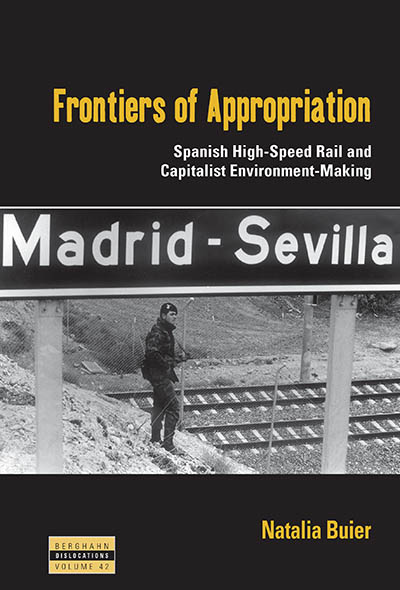
For more than thirty years, AVE (Alta Velocidad Española, or Spanish HSR) has been an instrument for transforming the public railway company, reshaping labor relations and advancing a model of regional development; yet Spain remains a car-dominated society. Frontiers of Appropriation delves into the history of Europe’s most-advanced high-speed rail system to assess the transformations it has brought about.

Tracing the rise, abandonment and revival of Amaravati, the new capital of Andhra Pradesh, Urbanizing the Future delves into the ambitions plan to build a brand-new city in an agrarian landscape. Combining political economy and history with long-term ethnographic fieldwork, this book offers a compelling critique of planned urbanization as a contested and uneven process in contemporary India.

Migration is destructive to the nuclear family and wider village life, but it provides an opportunity for lineages to be mobilized for collective social action that is both local and translocal. This book aims to share experiences of people in Alma, a village in Kyrgyzstan, and how they created a ‘moral economy of migration’ that became territorialised as kinship was de-territorialised.

Year: 2026
Subjects: Political and Economic Anthropology Refugee and Migration Studies Cultural Studies (General)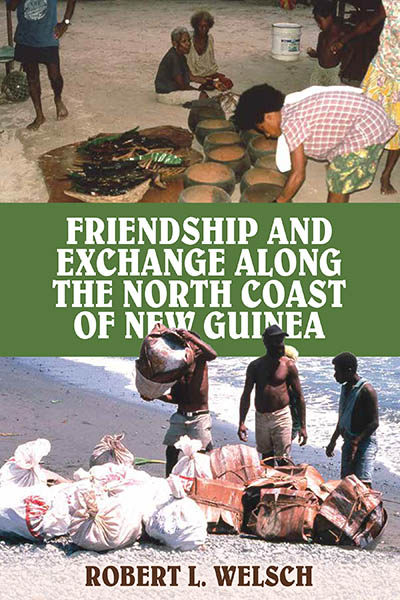
This book explores how more than 100 communities who speak nearly fifty languages from five unrelated language phyla interact by developing persistent relations known as “hereditary friendship.” These relations provide everyone along the coast with fish, sago, and earthenware pots as well as many other useful commodities that resulted in peace and harmony.
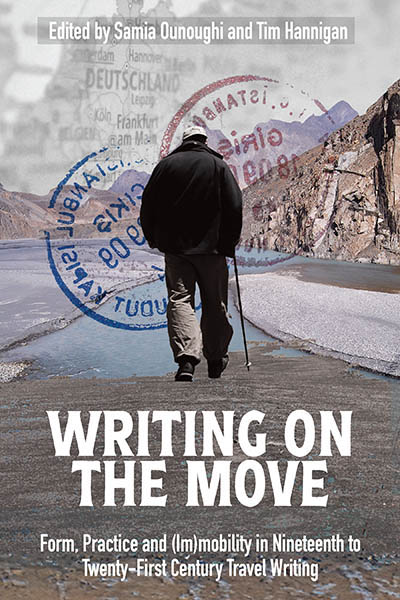
Although the practice of reading and writing typically requires stasis, travel writing emerges from movement. This book examines the tensions between actual journeys and their resultant texts by asking questions about the meaning of ‘movement’ and what counts as ‘travel writing’ in an age of virtual journeying and enforced immobility.
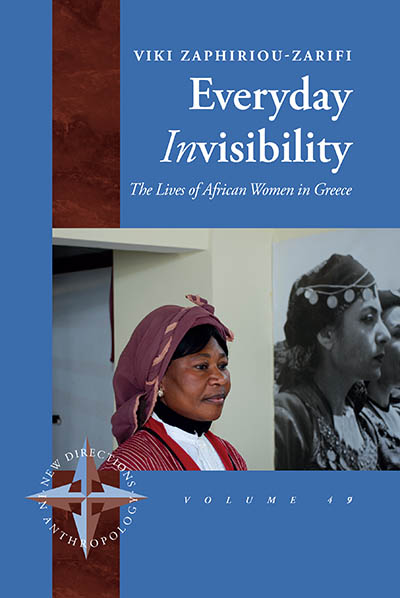
In the wake of Greece’s 2008 economic collapse, African women in Athens navigated intensified discrimination shaped by the intersecting forces of gender, race and migration status. This book argues that gendered racialization renders these women not only invisible but also hyper-visible in stereotypical ways that heighten their exposure to discrimination and precarity.

Shedding light on the invisible lives of Georgian women who migrated to Thessaloniki from the mid-1900s onward, Georgian Women on the Move reveals the challenges and turning points that emerge from the convergence of these different life worlds.

On Malaita in Solomon Islands, an evangelical Israelite-inspired movement centers on a distinctive time-consciousness that reads the historical past and present as prophetic signs of an imminent future. This book examines how these ‘prophetic histories’ interweave biblical narrative, theological reflection, local accounts, kastom practice, spiritual journeys and Old-Testament political theory.

Focusing on the Balkan Route, this volume examines the criminalization of migration and emerging vocabularies of border control and resistance. Through keywords like Autonomy, Route, and Solidarity, contributors from Croatia, Slovenia, and Serbia offer ethnographic and interdisciplinary insights into restricted mobility, border violence, and migrant-led struggles.
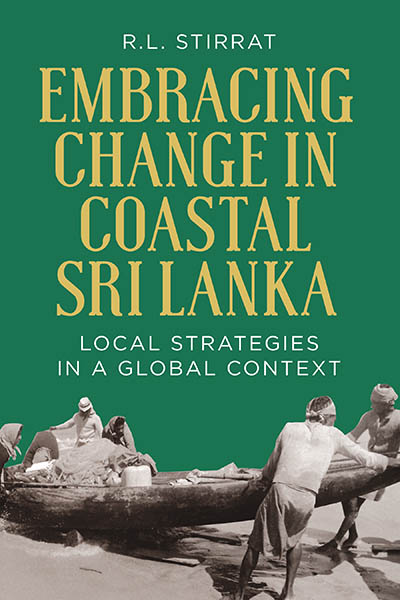
Prioritising processes not structures based on the general premise that change rather than stasis is what characterises society, this book focuses on social change in a coastal village in Sri Lanka where change was the result of people reacting to processes at work in the wider economic and political context and were in no way passive victims to forces out of their control.
This volume explores how race, colonial legacies, and structural inequality are addressed across diverse European contexts – north, central, eastern and southern – as well as in their entanglements with regions beyond Europe. It offers critical, grounded insights into the possibilities and challenges of decolonial thinking today.

Bringing together empirical research from across India, this volume examines how food intersects with identity, migration, livelihood and media. It offers interdisciplinary insights into the cultural, political and social dimensions of food in contemporary Indian life.

This collection marks the EASA Book Series’ 50th volume to celebrate collaborative forms of knowledge production in anthropology. It is organized around eight key themes and concepts that have marked anthropological debates in Europe over the past 20 years.

This book tells the survival stories of seven Cambodians who endured the Khmer Rouge Genocide, their escape to Thailand, and their difficult resettlement in the United States. It is a collection of first-person oral histories, supplemented by images of documents and photographs, highlighting journeys of resilience, survival, and adaptation while profoundly traumatized.
Year: 2025
Subjects: Refugee and Migration Studies Political and Economic Anthropology Peace and Conflict Studies
In this comprehensive world history of (auto)mobility, Gijs Mom draws upon his expertise within the field to assess the past and present of road cultures, and hypothesize its future. From climate change and capitalism to decolonization and gender, this volume spotlights the car’s influence on our sense of identity and imagination.

Not the Troubles shifts the academic focus from the perception of Belfast as a divided society and reveals alternative narratives of city life. Using storytelling as a leitmotif, it explores the epistemological validity of engaging with strangers in a range of settings, such as street corners, a hairdresser’s, a storytelling evening and considers how creative writers represent life in Belfast.
Year: 2025
Subject: Anthropology (General)
Wrestling with Hope in Urban Senegal follows the journey of football players and wrestlers in Dakar as they confront the realities of their sporting aspirations. It grapples with themes of masculinity, belief systems and economic survival whilst navigating the complexities of a neoliberal landscape.

This book argues that disasters are intimately linked to historical processes that foster contemporary unequal relationships, and should therefore include both those commonly associated with nature as well as those we consider facets of history and social conflict, such as war and destitution.
Year: 2025
Subjects: Political and Economic Anthropology Sociology Development Studies Sustainable Development Goals
An enlightening reassessment of migrant moral economies, Transnationalities of Migrant Moral Economies in a Transforming World examines the transformative potential of transnational mobility to create social networks capable of resisting authoritarianism and of rethinking reciprocity in a rapidly changing world.

The lives of migrant Muslim women in divided, post-conflict Northern Ireland, both before and after the pandemic, are full of diverse stories and experiences of belonging. This book explores how women strive to belong and create a home despite pervasive hatred, sexism and racism.
Year: 2025
Subjects: Anthropology (General) Gender Studies and Sexuality Refugee and Migration Studies
The expanding mining industry in the Indigenous Atacameño-Likanantay territories in the hyper-arid Salar de Atacama in Chile are linked to the ecological harm to groundwater. The book addresses recent socioeconomic and political conditions it calls ‘advanced extractivism’ and asks how both ecological harm and mining economies are sustained.
Year: 2025
Subjects: Environmental Studies (General) Political and Economic Anthropology Development Studies Sustainable Development Goals
In this enlightening ethnography of the Manangi, a Buddhist trading community from northern Nepal, Prista Ratanapruck highlights the way social institutions have boosted Manangi trade opportunities. Examining how capital production and accumulation interacts with the Manangi’s pursuit of social and spiritual aspirations, Market and Monastery illuminates an intriguing form of capitalism.

Colonial Intervention and Destabilization of African Identities takes an interdisciplinary approach to examine how external forces and African elite impose trusteeship practices on Africans to construct and consolidate hierarchical power relations in African societies that infantilize Africans and dispossess them off their resources.
Belonging in Unhomely Lands takes a feminist approach to examine the intricate dynamics of gender, national affiliation and belonging in the context of internal displacement and territorial disputes faced by Kosovo Serbs since the ethnic conflict and tensions two decades ago.
Year: 2025
Subjects: Anthropology (General) Refugee and Migration Studies Gender Studies and Sexuality
The Sahrawi refugees in southwestern Algeria have struggled from exile for fifty years to reconfigure the animated desert they call badiya. They recovered camel husbandry and access to part of the former rangeland, and wove it back as seasonal nomadism. Desert Entanglements analyzes this process as an act of place-making premised on refugees’ agency.
Year: 2025
Subjects: Anthropology (General) Environmental Studies (General) Refugee and Migration Studies Sustainable Development Goals
An illuminating ethnographic study of placemaking, (Un)Settling Place examines the nature of places that are remote, peripheral, and “along-the-way” of migrant journeys, highlighting the key role they play in the shaping of people’s mobilities and identities.
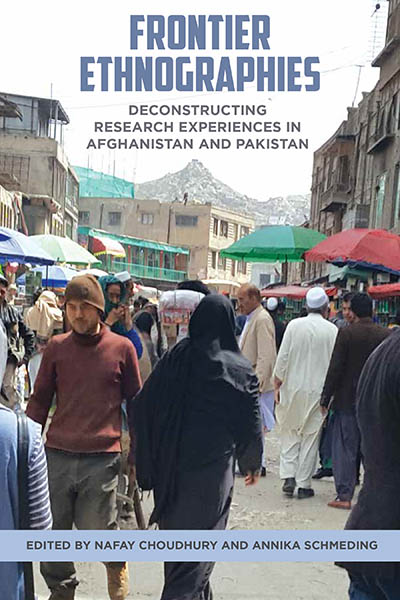
Frontier Ethnographies explores the ethnographic edges of contemporary anthropological inquiry in Afghanistan and Pakistan. Through examining moments of insecurity, vulnerability, doubt, fear, failure, and daydreaming, the volume reflects on the researchers’ experiences and challenges of doing field research in frontier settings.
The Russian minority in Finland is imbued with ’being hidden‘ or ’hiding oneself‘. The book explores informants’ reflections, together with the author, on the mental and physical crossing of national borders. Perceptions of belonging and/or Otherness and lived experience reveal a complex relationship of embodied memory, history, time and a multi-national social space.
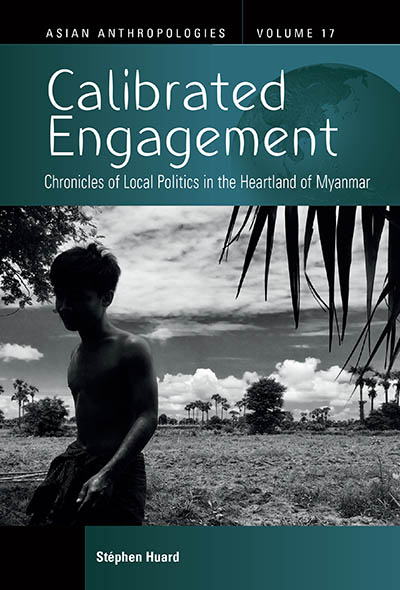
For decades, the heartland of Myanmar has been configured as a pacified space under military surveillance. A closer look reveals how politics is enacted at distance with the state. Calibrated Engagement weaves together ethnography and history to chronicle the transformation of rural politics in Anya, the dry lands of central Myanmar.
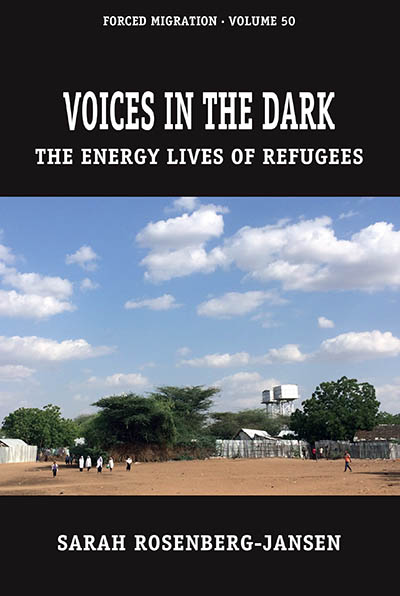
In refugee camps all over the world, refugees are forced to secure their own access to energy and are provided with limited cooking resources and minimal electricity. Voices in the Dark draws upon a decade of original research to provide evidence on the energy lives of refugees.
Year: 2024
Subjects: Refugee and Migration Studies Political and Economic Anthropology Sustainable Development Goals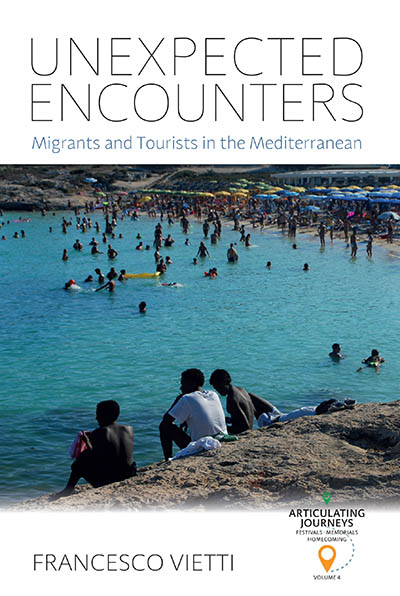
Exploring different dimensions of the intersection of migration and tourism in the Mediterranean, this book is the result of extensive ethnographic research carried out over a decade in the Mediterranean region. It shows how migration and tourism play complementary roles in boosting the global dynamics of cultural, social, economic and political transformation in the Mediterranean.
Based on ethnographic studies in various geographical and bureaucratic contexts, this collection shows how civil servants produce statehood, restrict migrants’ movements and engage with migrants’ strategies to make themselves legible. It contributes to the study of the state as documentary practice and highlights the role of paperwork as powerful practice of migration control.
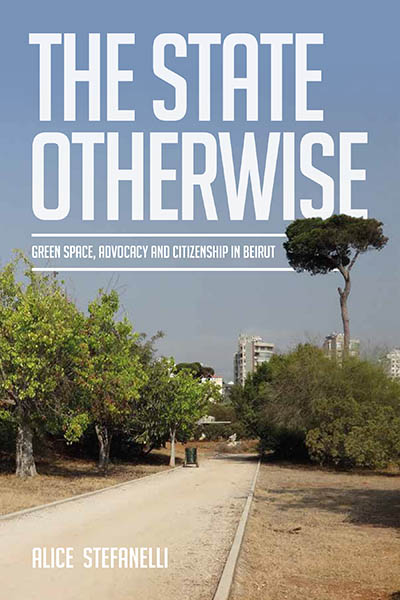
The State Otherwise examines the difficult predicament of Beirut’s public green spaces from the vantage point of the civic campaign to reopen Horsh al Sanawbar, the city’s largest public park. It asks questions about the nature of privatisation of public property, civic society’s potential to mobilise individuals and the role of public authorities in promoting the public good.
Year: 2024
Subjects: Political and Economic Anthropology Environmental Studies (General) Sustainable Development Goals
Examining the way contemporary screen industries capture and reflect migration, movement and displacement, Migration, Dislocation and Movement on Screen offers case studies on screen media representations that engage with important emergences of transnational and cosmopolitan imaginaries.
Year: 2024
Subjects: Film and Television Studies Refugee and Migration Studies History: 20th Century to Present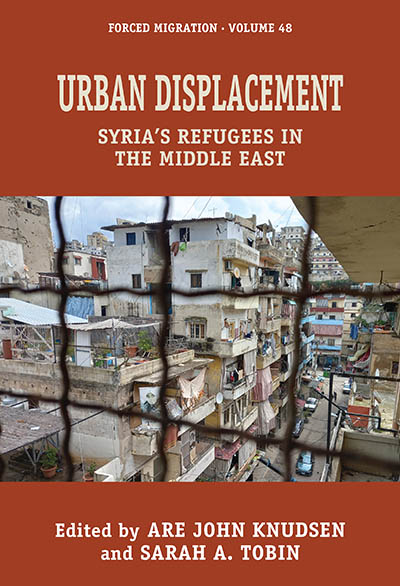
Syria’s massive displacement (2012–present) is one of the largest, most complex and intractable humanitarian emergencies today. Urban Displacement examines multiple dimensions of this crisis from political and socioeconomic predicaments to questions of social belonging, the complexity of the international, regional and national responses and how they affect urban spaces.
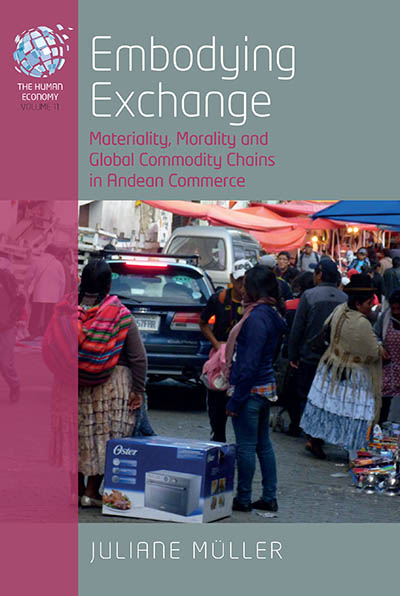
Embodying Exchange addresses the infrastructural, legal and moral complexities in contemporary world trade through an ethnographic analysis of the interface of multinational brand manufacturers and popular traders in the Bolivian Andes.
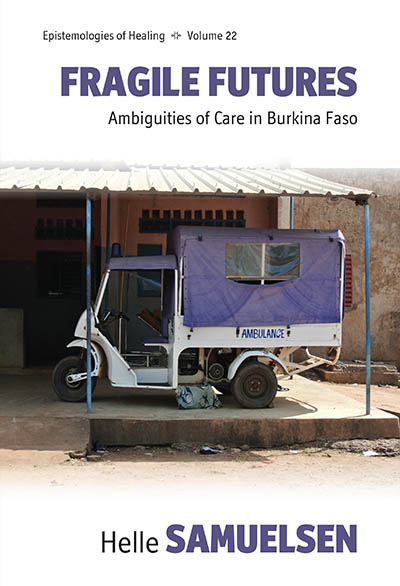
Caring for small children and the family in Burkina Faso is hard work. Although the health infrastructure in Burkina Faso is weak and many citizens feel neglected by the state, Fragile Futures shows that the state continues to play an important role in people’s engagements and hopes for a better future.
Year: 2024
Subjects: Anthropology (General) Medical Anthropology Development Studies Sustainable Development Goals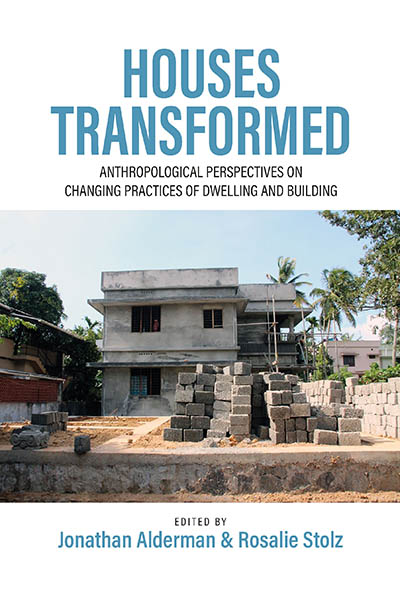
Houses Transformed explores the intersection of house biographies and social change, the politics of housing design, the social fabrication of aspirational houses, the domestication of concrete and the intersection of materiality and ontology, and the rhetoric of the vernacular.
Sufism is known as the mystical dimension of Islam. Nasima Selim explores this definition to find out what it means to ‘breathe well’ along the Sufi path in the context of anti-Muslim racism. Breathing Hearts is the first book-length ethnographic account of Sufi practices and politics in Berlin.
Enacted Relations explores the Yolngu relational ontology and epistemology in the context of everyday practices, ritual ceremonies, bicultural education, vernacular Christianity and the production of popular music.
Following the 2015 ‘refugee crisis,’ many different actors emerged to contest or mitigate the EU’s border policies. This book explores the birth and trajectory of a Norwegian volunteer organisation “A Drop in the Ocean“, established by a mother of five with no prior experience in humanitarian work.
Other Borders is a deeply thorough, multi-site ethnographic research volume that brings forward the rudari lingurari family’s social and economic cultural organization and the mobilities developed in their migratory paths.
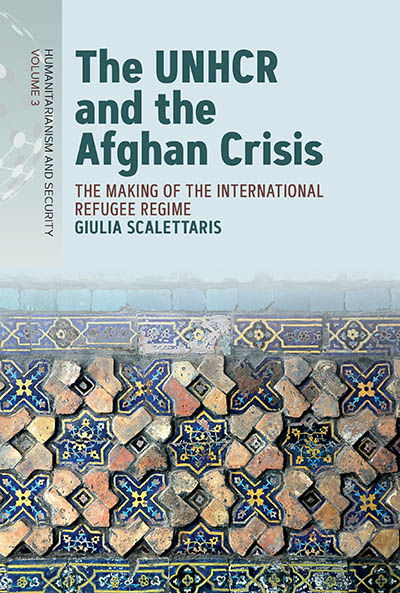
Today the UNHCR is present in more than 130 countries and takes care of some 90 million people. This book looks at how it is deployed and who its agents are. By taking the reader through the offices in charge of the Afghan refugee crisis during the 2000s, in Geneva and in Kabul, the book shows the internal functioning of this international organization.
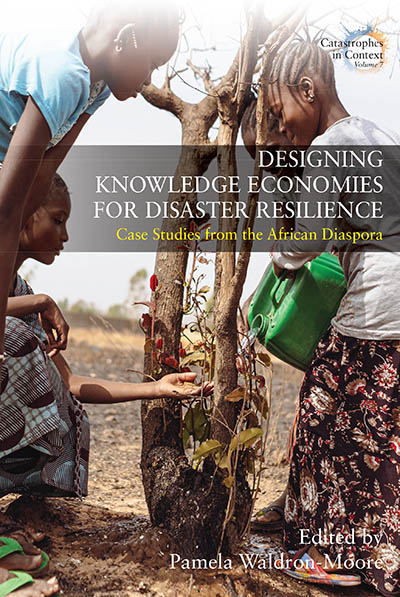
Acknowledging that low economic development and high climate costs do not equitably coexist, this collected volume interrogates the challenge for disaster-prone territories to determine supplemental strategies for restructuring and redesigning their environment.
Year: 2023
Subjects: Environmental Studies (General) Political and Economic Anthropology Development Studies Sustainable Development Goals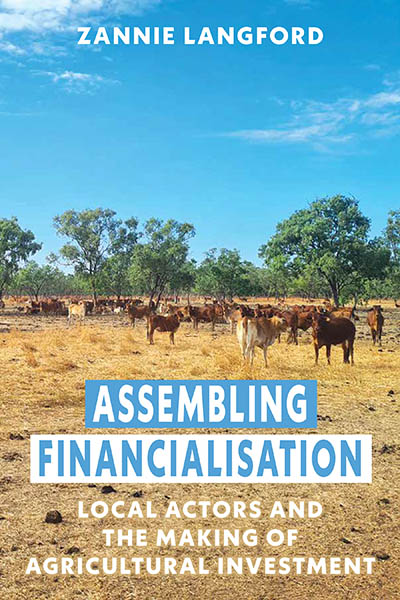
Farmers, Indigenous organisations, government and private-sector intermediaries from remote Northern Australia often negotiate with private finance capital to gain funds for agricultural development.This book demonstrates that while financialisation is a useful signifier of patterns of global change, it is assembled by a diverse range of often contradictory work.
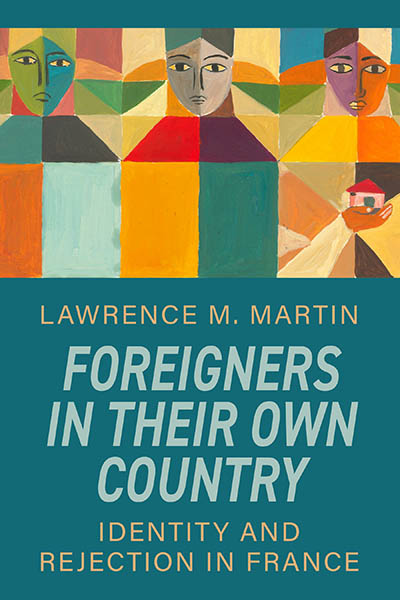
Paying close attention to how people speak about themselves and their acceptance and rejection by others, this book provides an intimate account of the challenges faced by the millions of people in France—and throughout Western Europe—who fully participate in the life of their country but are often not seen as belonging there.
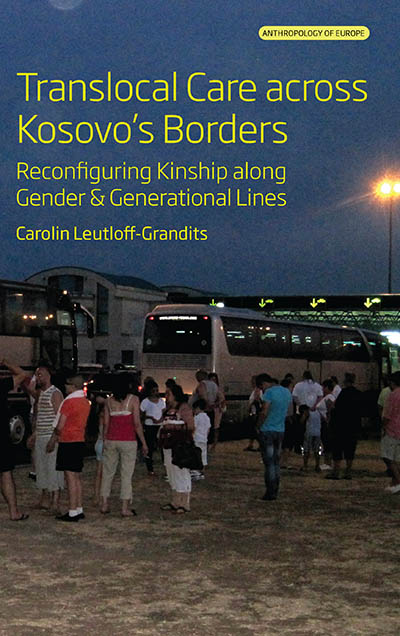
By tracing long-distant family relations with a special focus on cross-border marriages, this study looks at the reconfiguration of care relations, gender and generational roles among kin-members of Kosovo, who now live in different European states.
Year: 2023
Subjects: Anthropology (General) Refugee and Migration Studies Gender Studies and Sexuality
Regional mental hospitals in India are perceived as colonial artefacts in need of reformation. In the last two decades, there has been discussion around the maltreatment of patients, corruption and poor quality of mental health treatment in these institutions. This ethnography scrutinizes bureaucracy of these asylum-like institutions in the context of national change and the global mental health movement.
Dealing with the difficult, silenced past of the so called "Istrian exodus" after the Second World War, this book shifts the usual focus from migrants to those who stayed behind and to the new immigrants who came to the “emptied” towns.
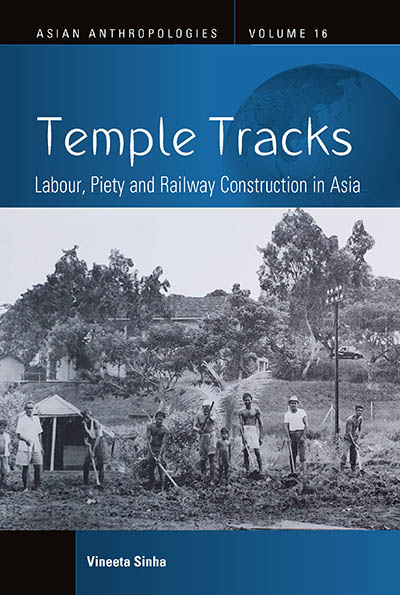
The notions of labour, mobility and piety have a complex and intertwined relationship. Using ethnographic methods and a historical perspective, Temple Tracks critically outlines the interlink of railway construction in colonial and post-colonial Asia, as well as the anthropology of infrastructure and transnational mobilities with religion.
Fifty years after her first fieldwork with Ju/'hoan San hunter-gatherers, anthropologist Megan Biesele has written this exceptional memoir based on personal journals she wrote at the time.
Investigating local Indigenous processes of creation and creativity, this book uses ethnographic and comparative anthropological perspectives to enquire about creative transformative practices in lowland South America.
Since its first publication in 1989, this classic study has remained in demand. The third edition of Heirs of the Greek Catastrophe includes updated material with a new Preface, Epilogue, and map of the study area.
Year: 2023
Subjects: Anthropology (General) Refugee and Migration Studies History: 20th Century to Present
Using a wide range of material including legal, criminal, literary, and political sources, Servants of Culture brings forward the previously neglected history of a mass migration of women from the Habsburg Empire’s countryside to work as servants for bourgeois households, inns and hotels during the second half of the 19th century. At the time, socio-political players claimed to want to improve the living and working conditions of these migrants but as Natarajan demonstrates these efforts resulted in an increase in surveillance and a restriction of freedoms for women and servants in Viennese history.
Year: 2023
Subjects: History: 18th/19th Century Refugee and Migration Studies Gender Studies and Sexuality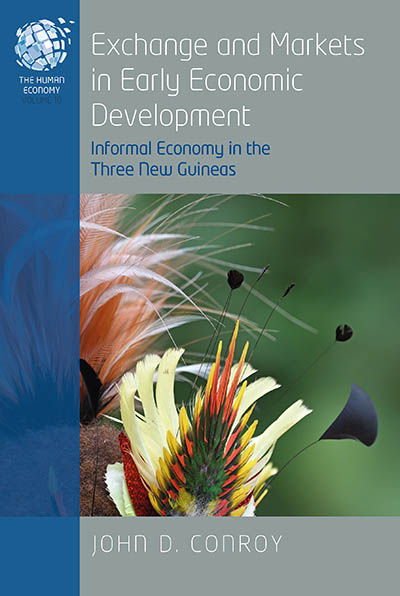
The idea of an informal economy emerged from, and is a critique of, the ideology of ‘economic development’. It originated from Keith Hart’s recognition of informal economic activity in 1960s Ghana. In the context of four colonialisms – German, British, Australian and Dutch – this book recounts Hart’s effort in 1972 to introduce the informal ‘sector’ into development planning in Papua New Guinea.
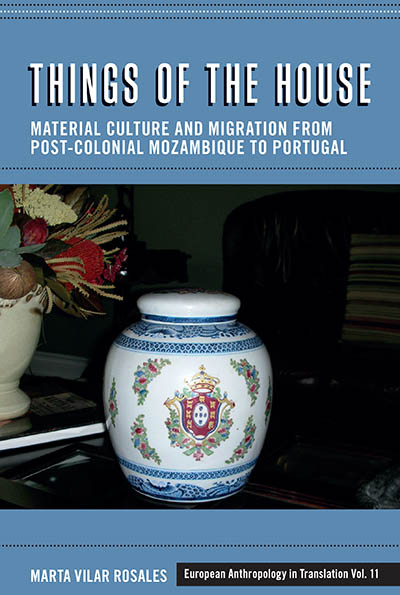
Focusing on the life stories of a group of European and Catholic Brahmin Goan families of the colonial elite who left Mozambique after their independence in 1975, the book shows how material culture interferes with structuring dimensions of migratory experiences, in the management of family ties and networks of belonging, as well as in the social dynamics of positioning, hierarchy and distinction.
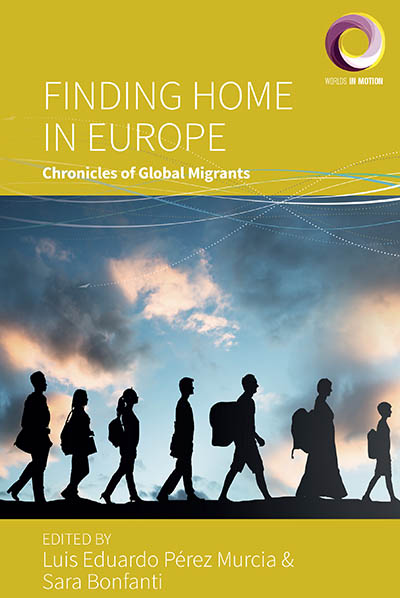
Bringing together the voices of nine individuals from an archive of over 200 in-depth interviews with transnational migrants and refugees across five European countries, Finding Home in Europe critically engages with how home is experienced by those who move.
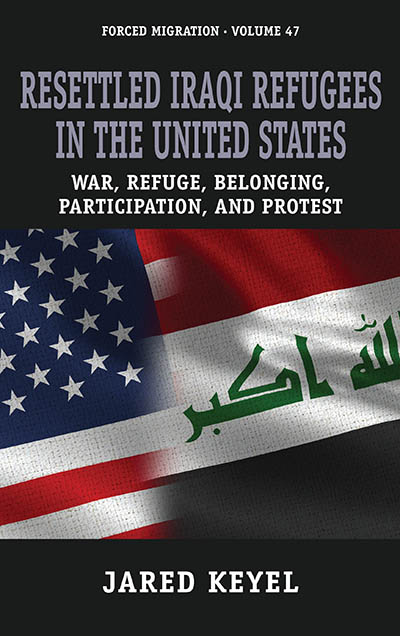
The American war against Iraq has caused hundreds of thousands of deaths and displaced millions of people. Between 2003 and 2017, more than 172,000 Iraqis resettled in the United States. This book explores the experiences of fifteen of them and presents insights into the core experience of life as a refugee from war.
Year: 2023
Subjects: Refugee and Migration Studies Political and Economic Anthropology Anthropology (General)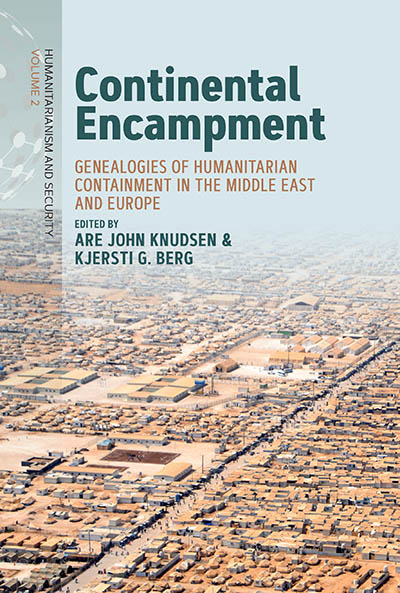
During the past decade, Syria’s displacement crisis has made the Middle East one of the world’s foremost refugee-hosting regions. The volume explores responses to mass migration and traces the genealogy of humanitarian containment from the Ottoman Empire and the emergence of the first refugee camps to the present-day displacement ‘crises’ and the re-bordering of Europe.
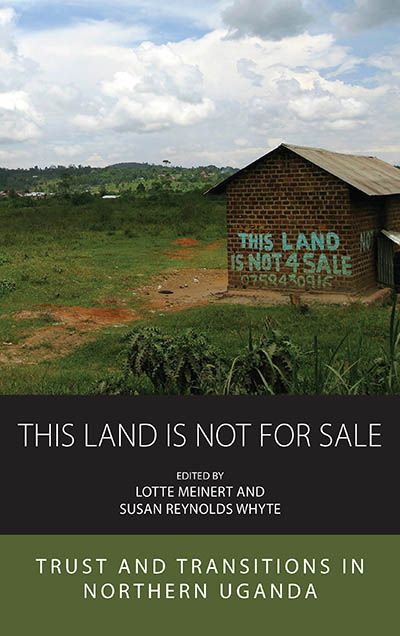
As violent conflict has declined in northern Uganda, tensions and mistrust concerning land have increased. Residents try to deal with acquisitions by investors and exclusions from forests and wildlife reserves. Using extended case studies, collaborating researchers analyze the principles and practices that shape access to land. Contributors examine the multiplicity of land claims, the nature of transactions, and the management of conflicts.
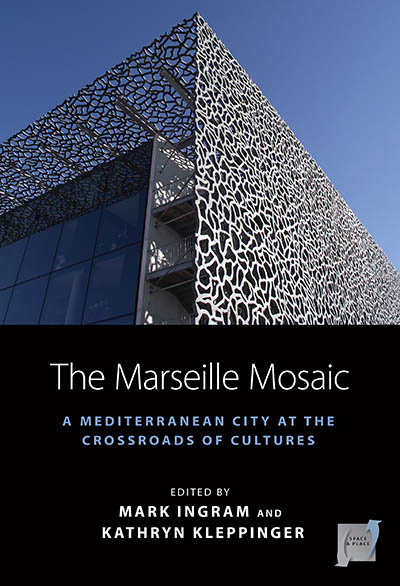
Moving across disciplines, The Marseille Mosaic integrates a diverse range of sources and methods to reveal France’s second city in the national imagination as a critical site for postcolonial memory and urban transformation as they crucially interact with debates in contemporary French society.
Year: 2023
Subjects: Cultural Studies (General) History: 20th Century to Present Sociology Urban Studies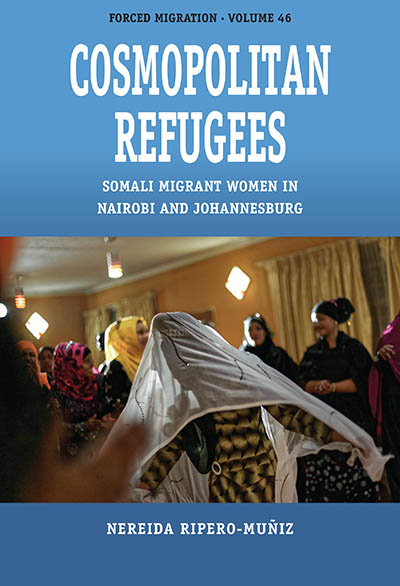
Exploring the dynamics of identity formation processes in diasporic spaces, this book analyses how gender, cultural and religious practices are renegotiated in a situation of displacement. The author presents the comparative case study of Somali migrant women in Nairobi and Johannesburg: two cosmopolitan urban hubs in the global South.
Year: 2023
Subjects: Refugee and Migration Studies Anthropology (General) Gender Studies and Sexuality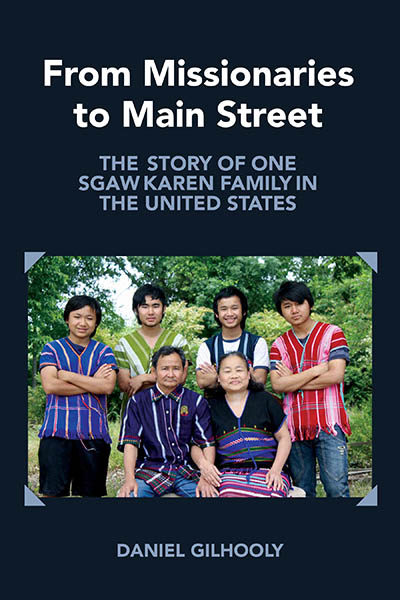
The Htoo family, who are Sgaw Karen and originally from Burma, resettled in the United States refugee resettlement program in 2007. This book chronicles their life in their new country. The book provides historical and cultural information on the Sgaw Karen people against the backdrop of the Htoo family’s path from Burma to Thailand.
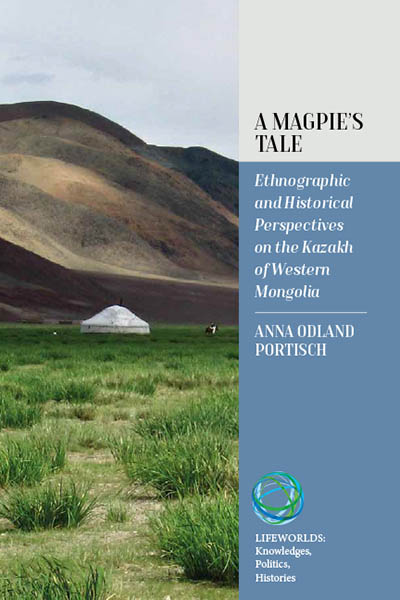
Telling the story of the author's time living with a Kazakh family in a small village in western Mongolia, this book contextualizes the family’s personal stories within the broader history of the region.
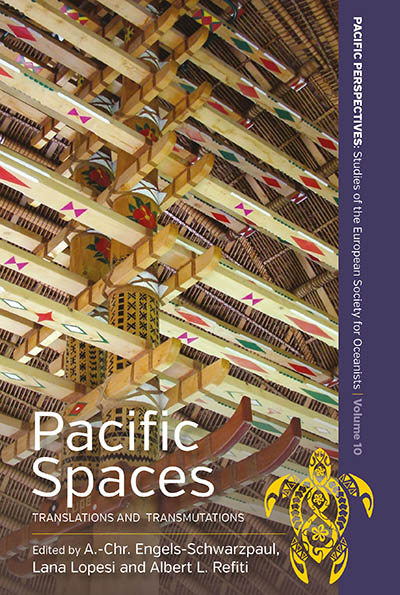
Delving into Pacific spaces from a variety of disciplinary perspectives and interpretations, this book looks at how the anthropological and architectural can be connected.
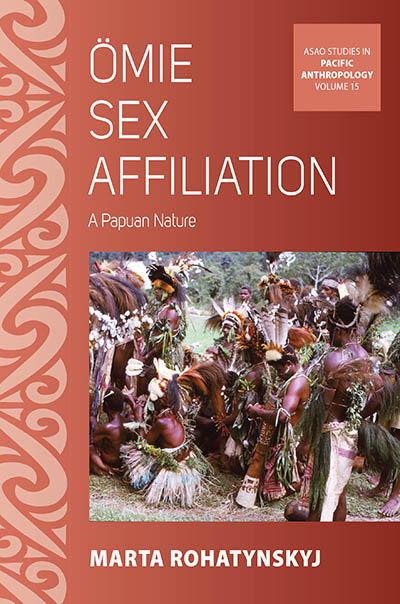
The practice of affiliating the female child with the mother and the male child with the father was considered a rare and inexplicable practice in Papua New Guinean ethnography at the time the original data was collected some forty years ago. Marta Rohatynskyj undertakes a shift in her analytical concepts to reveal the deep-seated disjuncture between female and male that this practice represents.
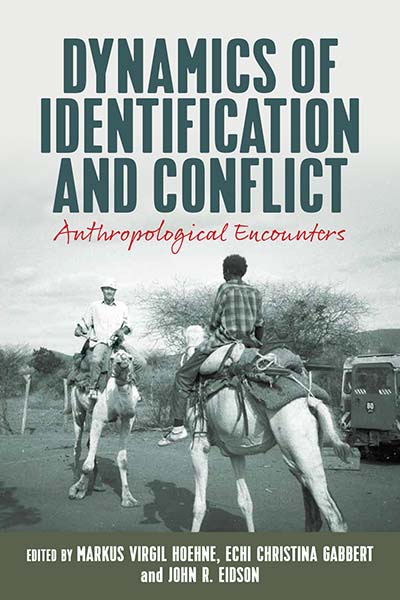
Dealing with the dynamics of identification and conflict, this book uses theoretical orientations ranging from political ecology to rational choice theory, interpretive approaches, Marxism and multiscalar analysis. Case studies set in Africa, Europe and Central Asia are grouped in three sections devoted to pastoralism, identity and migration.
Addressing several issues of significance in the fields of Anthropology of Migration, Politics of Healthcare, Religious and Francophone Studies, this book pursues an unprecedented line of research by bringing to the fore the geopolitical dimension of francophonie, understood as a political construct, as much as a cultural, artistic and a linguistic space, with French as common language.
Increasingly, scholarly works are approaching the challenges of peoples’ spatial movements across state frontiers as tied to various forms of mobilities that people experience. Using a plural and comparative lens with case studies, Tangled Mobilities brings fresh insight to the wider social phenomenon of mobility and the way places, affects, and personhood are shaped by and connected to it.
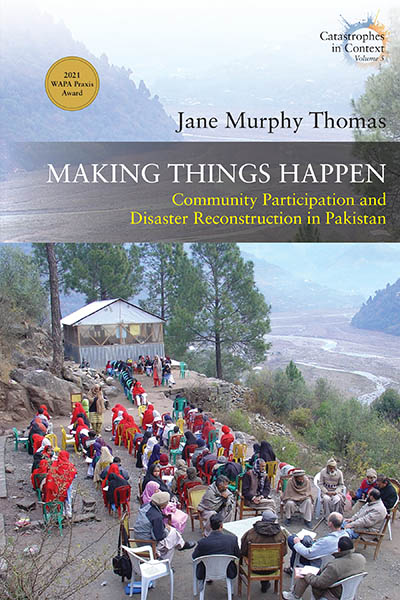
Making Things Happen is about the sociocultural side of post-disaster infrastructure reconstruction, drawing on one project, the Pakistan Earthquake Reconstruction and Recovery Project (PERRP). As disasters are increasing in number and intensity so too will be the need for reconstruction, for which PERRP has lessons to offer.
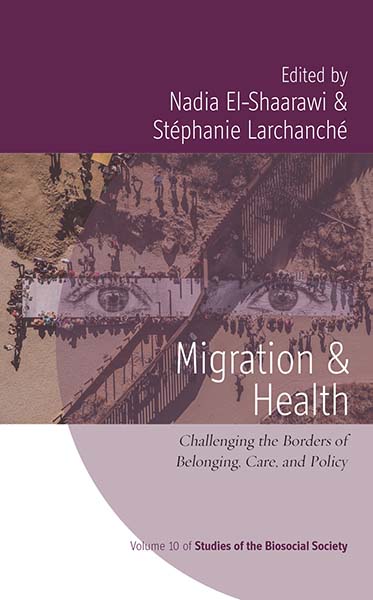
Despite the centrality of migration in our contemporary world, scholarship on mobility and health frequently separates migrants according to legal status, country of origin, destination, or health concern. Yet people on the move and health systems face challenges and opportunities that transcend these boundaries, including border fortification, neoliberal agendas, and climate change. This volume challenges these epistemic borders.
Year: 2022
Subjects: Medical Anthropology Refugee and Migration Studies Sociology Sustainable Development Goals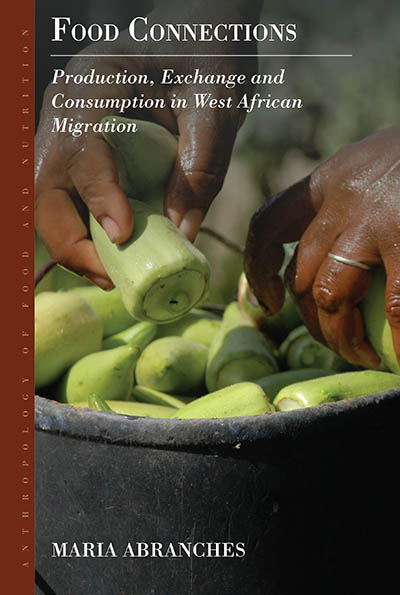
Food Connections follows the movement of food from its production sites in West Africa to its final spaces of consumption in Europe. It is an ethnographic study of economic and social life amongst a close-knit community of food producers, traders andconsumers and a wide range of small intermediaries that operate in Guinea-Bissau and Portugal.
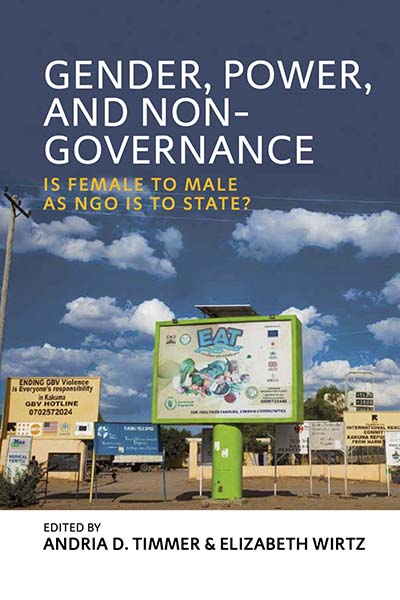
Using Sherry Ortner’s analogy of Female/Nature, Male/Culture, this volume interrogates the gendered aspects of governance by exploring the NGO/State relationship. By examining how NGOs/States perform gendered roles and actions and the gendered divisions of labor involved in different types of institutional engagement, this volume attends to the ways in which gender and governance constitute flexible, relational, and contingent systems of power.
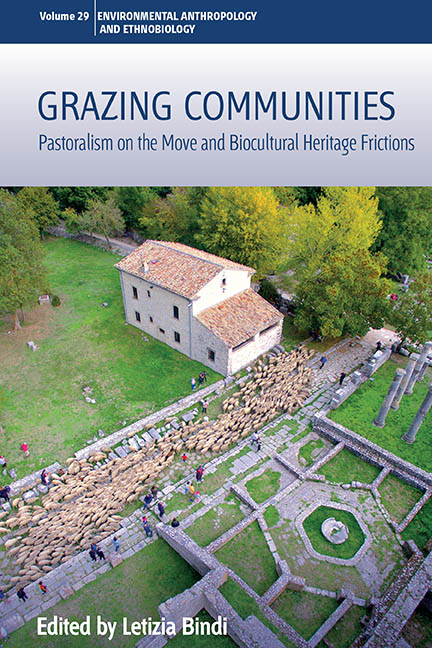
The present critical discourse on sustainable and responsible development implies a change of practices, a huge socio-economic transformation, and the return of new shepherds and herders in different European regions. This book is an occasion to reconsider grazing communities’ frictions in the new global heritage scenario.
Year: 2022
Subjects: Anthropology (General) Sociology Development Studies Sustainable Development Goals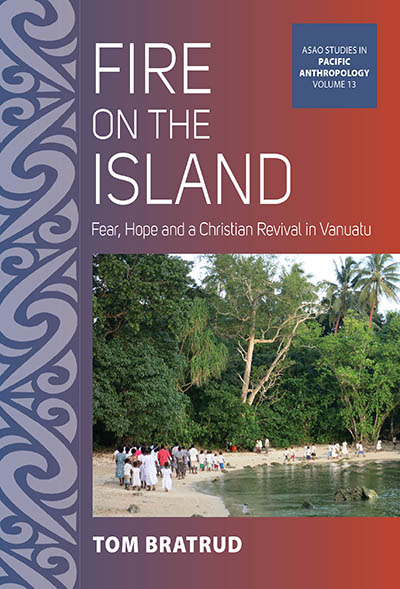
In 2014, the island of Ahamb in Vanuatu became the scene of a startling Christian revival movement led by thirty children with ‘spiritual vision’. Based on twenty months of ethnographic fieldwork on Ahamb between 2010 and 2017, this book investigates how upheavals like the Ahamb revival can emerge to address and sometimes resolve social problems.
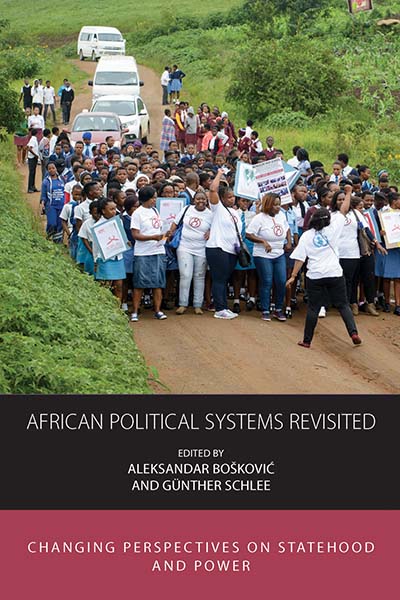
Reexamining a classical work of Social Anthropology, African Political Systems (1940), edited by Fortes and Evans-Pritchard, this book looks at the colonial and academic context from which the work arose, as well as its reception and its subject matter and looks at how the work can help with analysis of current politics in Africa.
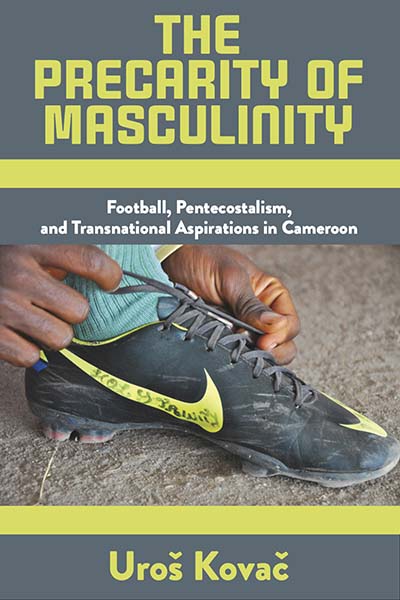
This book follows young Cameroonian men who aspire to migrate abroad and play football for a living while analyzing masculinities in West Africa. The book argues that the athletic aspirations of young Cameroonians and their propensity to consult with Pentecostal Men of God offer new insights about the nature of social mobility in the neoliberal age.
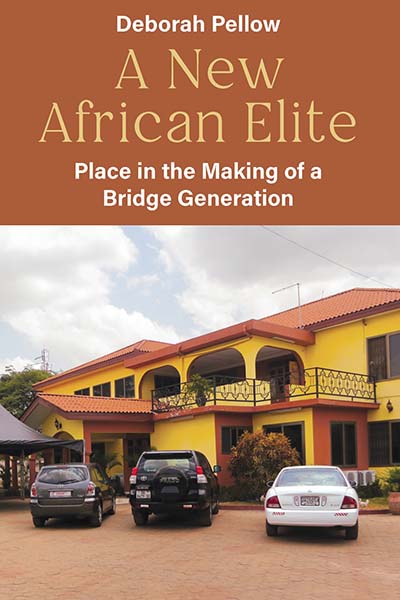
Focusing on a sub-set of the Dagomba of northern Ghana, this book looks at the first generation to go through secondary school in the north. This book charts their path into elite status and argues that this generation uses the tools gained through education and social connections to influence politics back home.
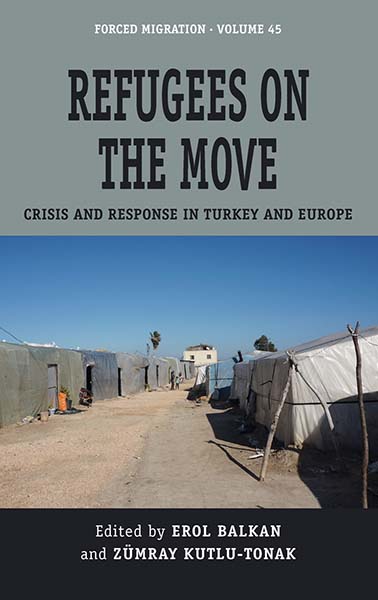
Refugees on the Move highlights and explores the profound complexities of the current refugee issue by focusing specifically on Syrian refugees in Turkey and other European countries and responses from the host countries involved. The book examines the causes of the movement of refugee populations, and host governments’ attempts to manage and overcome the so-called “refugee crisis”.
Including contributions from educators, administrators, practitioners, and students, Opening Up the University addresses specific points relating to the access and success of refugees in higher education. This expansive collected volume aims to inspire and question those who are considering creating their own interventions, suggesting concrete avenues for further action within existing academic structures.
Year: 2022
Subjects: Educational Studies Refugee and Migration Studies Sociology Sustainable Development Goals
Focusing on Georgia, this book presents a theoretical and empirical study on the implementation of durable solutions for internally displaced persons (IDPs). Building on extensive field research, it describes and explains the considerable problems which Georgia faces in establishing global norms, as well as the ongoing hardship that IDPs experience.
The 21st century has witnessed some of the largest human migrations in history. Europe in particular has seen a major influx of refugees, redefining notions of borders and national identity. This interdisciplinary volume offers innovative interpretations of contemporary migration to Europe, engaging with the ongoing debate on forced mobility.
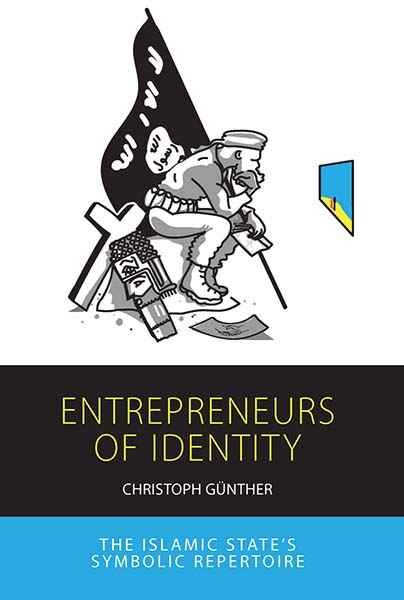
Understanding the Islamic State’s ideologues as ‘entrepreneurs of identity’, this book explores how the group defined categories of social identity and used these categories as tools of communicative and cognitive structuring.
Year: 2022
Subjects: Anthropology of Religion Political and Economic Anthropology Peace and Conflict Studies
Combining visual and literary analyses and original ethnographic studies as part of a more general political reflection, Migration in the Making of Gulf Space examines the role of migrants and non-citizens in the processes of settling in the Arab States of the Gulf region.
Using the example of Iraqi refugees in Jordan's capital of Amman, this book describes how information and communication technologies (ICTs) play out in the everyday experiences of urban refugees, geographically located in the Global South, and shows how interactions between online and offline spaces are key for making sense of the humanitarian regime, for carving out a sense of home and for sustaining hope.
This book looks critically at racialization of mobility in Europe, anchoring the discussion in the aspiration of precarious migrants from Niger in Belgium and Italy. The book contextualizes their experiences within the ongoing securitization of mobility in their home country and the persistent denial of racism and colonialism that seeks to portray the innocence of Europe.
To tackle the vast numbers of internally displaced people, a UN regime has emerged that seeks to replicate the long-established regime of refugee protection by applying international law and humanitarian assistance to citizens within their own borders. This book looks at the origins, structure and impact of this new UN regime and whether it is fit for purpose.
Year: 2021
Subjects: Refugee and Migration Studies Political and Economic Anthropology Peace and Conflict Studies
In this timely and insightful new book, Markus Bell presents the case study of Korean-Japanese – “Zainichi” – who have escaped North Korea in the years following the end of the Cold War. Through building alliances and long-distance relationships, Zainichi returnees resist forced integration and push back against life-threatening political purges to forge new ways of belonging.
Loving cows, then killing them. The relation with cattle in Mursi country is shaped by the dichotomy between the value given to it during life and the death imposed upon it. This book investigates the link between the nurturing and killing of cattle, and its accompanying aesthetics, with Mursi society itself.
Foreword by James C. Hathaway
Afterword by Carolina Moulin
Looking at refugee protection in Latin America, this landmark edited collection assesses what the region has achieved in recent years. The book analyses Latin America’s main documents in refugee protection, evaluates the particular aspects of different regimes, and reviews their emergence, development and effect, to develop understanding of refugee protection in the region.
Year: 2021
Subjects: Refugee and Migration Studies Political and Economic Anthropology Sustainable Development Goals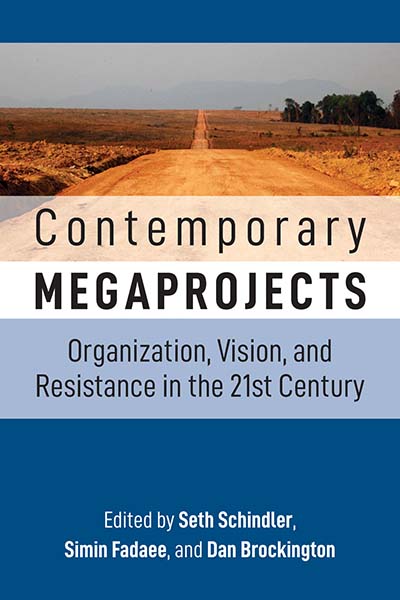
Contemporary “megaprojects” have evolved from the centralized, modernist projects undertaken in the past. With case studies ranging from mega-plantations in Southeast Asia to sports events, Contemporary Megaprojects explores the increasing ambition and pervasiveness of these projects, as well as their significant impact on both society and the environment.
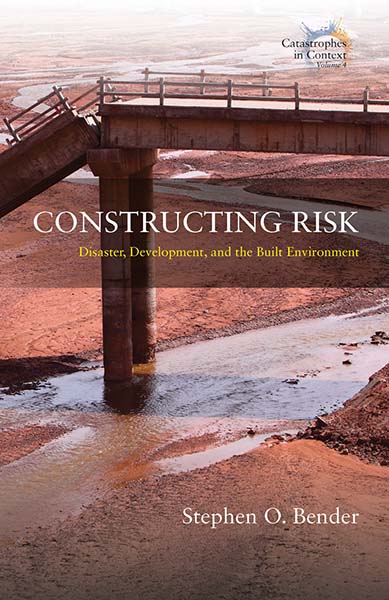
Reviewing current policies and practices, the book assesses the financial, economic and physical risk of building in hazardous areas, and looks at how societies are trying to create a more resilient built environment in spite of the dangers.
Year: 2021
Subjects: Environmental Studies (General) Development Studies Political and Economic Anthropology Sustainable Development Goals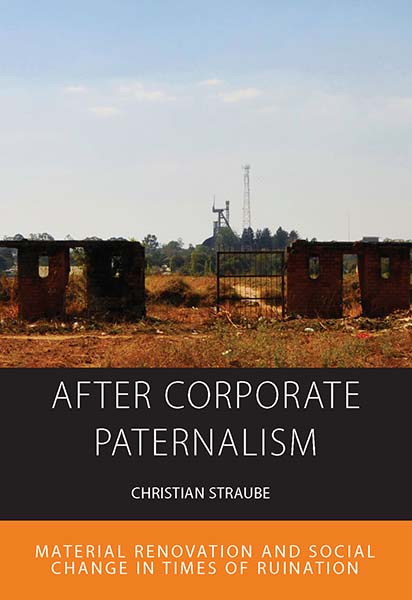
In this ethnographic study of post-paternalist ruination and renovation, Christian Straube explores social change at the intersection of material decay and social disconnection in the former mine township Mpatamatu of Luanshya, one of the oldest mining towns on the Zambian Copperbelt.
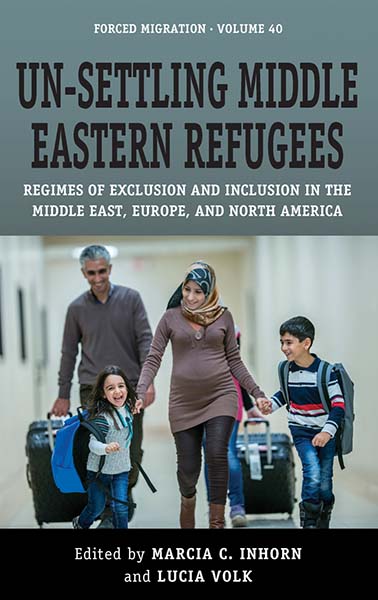
Since the Iraq war, the Middle East has been in continuous upheaval, resulting in the displacement of millions of people. Arriving from Afghanistan, Iraq, Palestine, and Syria in other parts of the world, the refugees show remarkable resilience and creativity amidst profound adversity. Through careful ethnography, this book vividly illustrates how refugees navigate regimes of exclusion, including cumbersome bureaucracies, financial insecurities, medical challenges, vilifying stereotypes, and threats of violence and bears witness to their struggles.
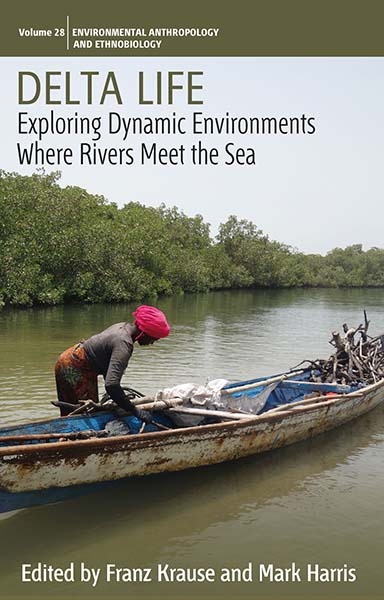
Proposing a series of innovative steps towards better understanding human lives at the interstices of water and land, this volume includes eight ethnographies from deltas around the world. The book presents ‘delta life’ with intimate descriptions of the predicaments, imaginations and activities of delta inhabitants.
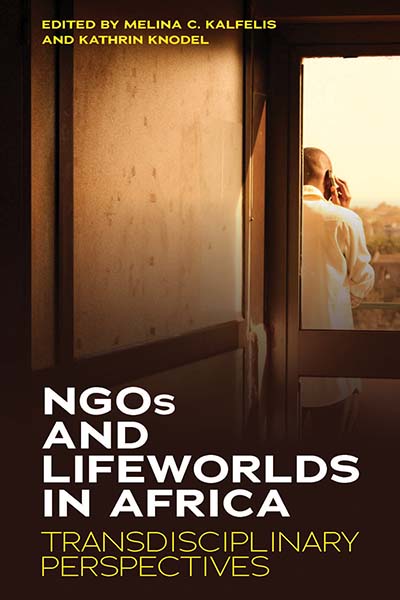
Foreword by Aram Ziai
Afterword by Hubertus Büschel
Non-governmental organizations (NGOs) have become ubiquitous in the development sector in Africa and attracting more academic attention. However, the fact that NGOs are an integral part of the everyday lives of men and women on the continent has been overlooked thus far. By taking a radical empirical stance, this book studies NGOs as a vital part of the lifeworlds of Africans.
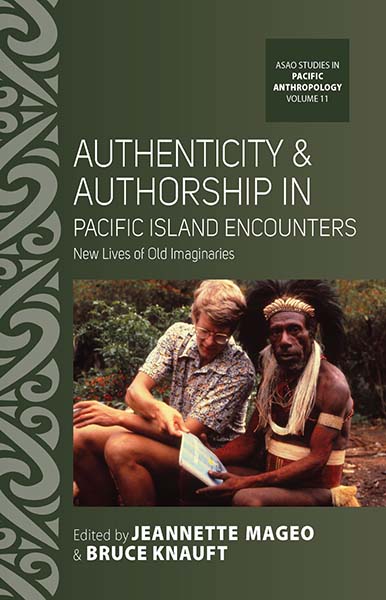
Afterword by Margaret Jolly
Reconsidering issues of representation in the insular Pacific, this volume explores authenticity and authorship in practice as “traveling concepts” that spawn cross-fertilization along the cultural and historical routes they traverse. The chapters are contextualized by a strongly theorized introduction that considers how notions of authenticity and authorship have developed in Western societies too.
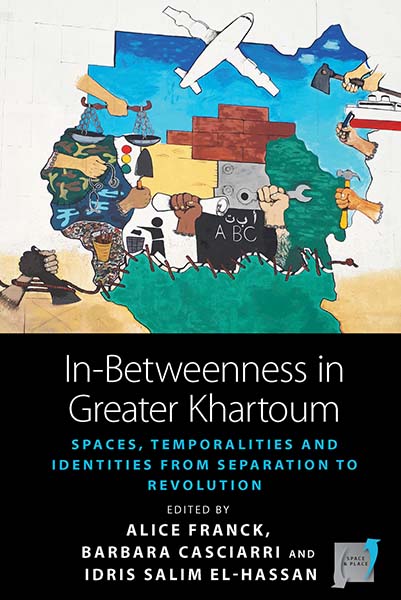
Drawing from original fieldwork in Khartoum and empirical data, In-Betweenness in Greater Khartoum uses in-between spaces as a lens to analyze how political events, in particular the 2011 independence of South Sudan, works along with other processes such as globalization and eco-nomic neo-liberalization to impact communities across the region.
Through the examination of religious practices and public performance, the author offers a compelling study of how the Hindu community in the French territory of La Réunion assert pride in their religion as a means of gaining recognition as a religious minority.
Rangeland, forests and riverine landscapes of pastoral communities in Eastern Africa are increasingly under threat. Abetted by states who think that outsiders can better use the lands than the people who have lived there for centuries, outside commercial interests have displaced indigenous dwellers from pastoral territories. This volume presents case studies from Eastern Africa.
Year: 2021
Subjects: Environmental Studies (General) Development Studies Mobility Studies Sustainable Development Goals
Based on extensive field research, the essays in this volume illuminate the experiences of migrants from their own point of view, providing a critical understanding of the complex social reality in which each experience is grounded.